Welcome to FlowerExpert

Your comprehensive guide to the world of flowers

Whether you're a gardener, a florist, or simply someone who loves blooms, discover accurate information on species, symbolism, and proper care.

Explore Flowers

Understanding Flower Structure

The Anatomy of Flowers

Flowers are the reproductive parts of flowering plants (angiosperms). Their basic organs include:

  • Sepals: Protect the flower bud before it opens, forming the calyx.
  • Petals: Often colorful structures that attract pollinators. Their arrangement and symmetry (radial vs. bilateral) vary by species.
  • Stamens (androecium): The male reproductive organs that produce pollen.
  • Pistil (gynoecium): The female reproductive organ, including stigma, style, and ovary where ovules develop.

Flower variation is extensive: some flowers are double-flowered with extra petals (sometimes sterile), while others adapt their parts to perform additional functions beyond reproduction.

Popular Flower Species

🌹

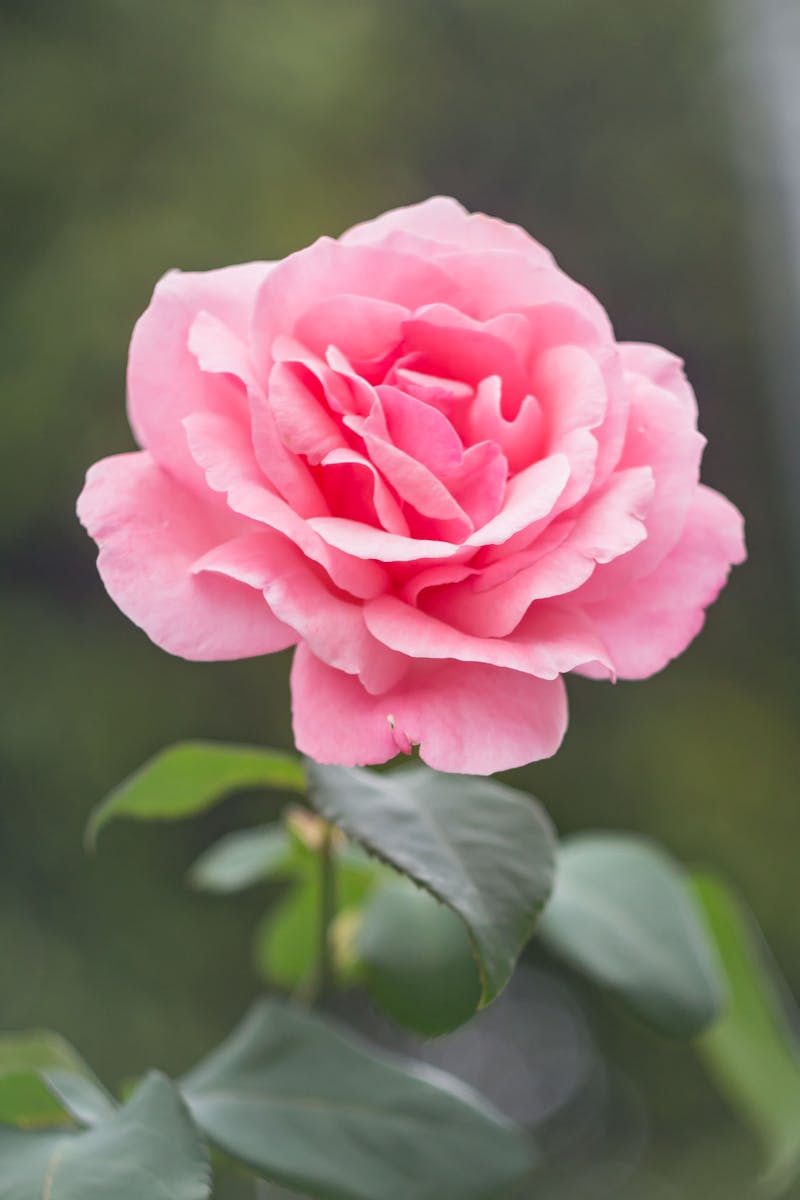
Rose (Rosa)

One of the most cultivated flower genera, with hundreds of species and thousands of cultivars. Roses are beloved worldwide for their beauty, fragrance, and cultural significance.

  • Family: Rosaceae
  • Native: Asia, Europe, North America, Africa
  • Blooming: Spring through fall
  • Care: Full sun, well-drained soil, regular watering
🌷

Tulip (Tulipa)

Spring-blooming bulbs native originally to Central Asia and Turkey, now popular worldwide. Tulips are known for their vibrant colors and elegant cup-shaped blooms.

  • Family: Liliaceae
  • Native: Central Asia, Turkey
  • Blooming: Early to late spring
  • Care: Full sun, well-drained soil, plant bulbs in fall
🌻

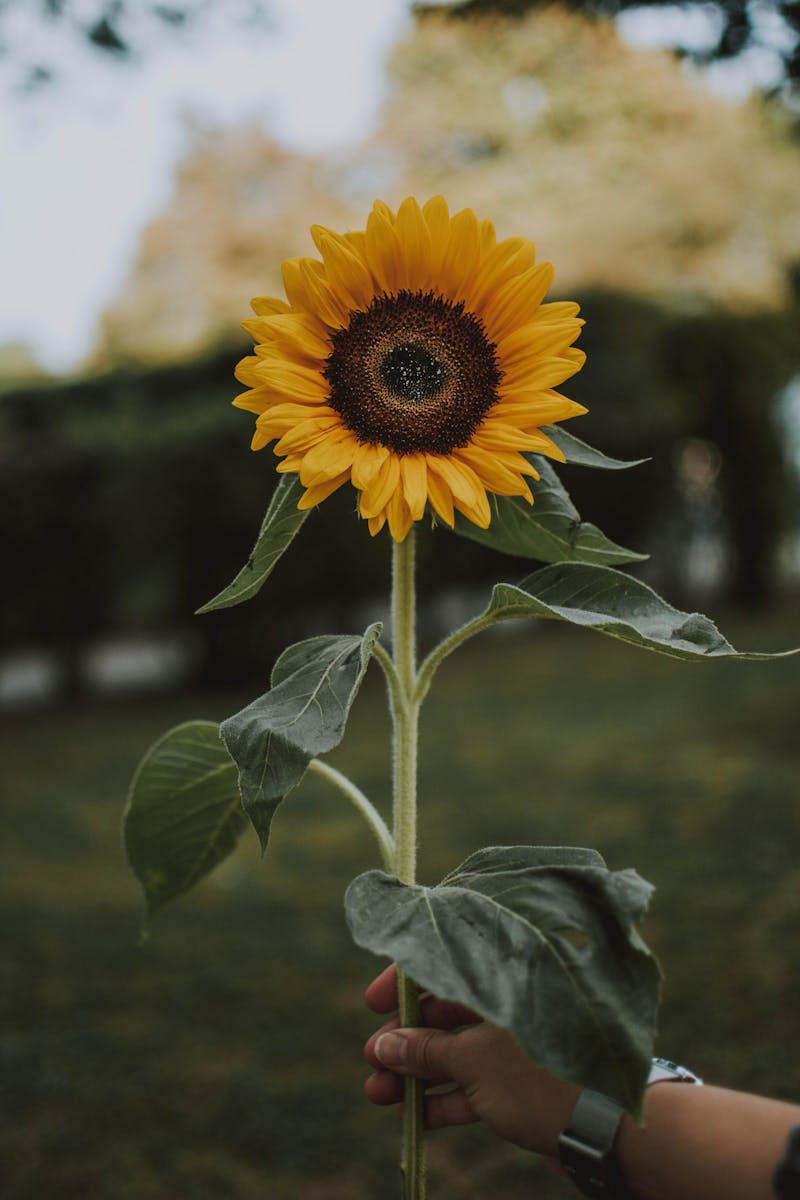
Sunflower (Helianthus annuus)

Native to North America, sunflowers are known for their large flower heads that turn toward the sun (heliotropism). The "Russian Giant" cultivar can reach heights of 2.5–4 meters with blooms over 30 cm in diameter.

  • Family: Asteraceae
  • Native: North America
  • Blooming: Summer to early fall
  • Care: Full sun, fertile soil, regular watering
🌺

Orchid (Orchidaceae)

Extremely diverse family with over 25,000 species. Many are tropical with spectacular flowers. Orchids have intricate pollination strategies and often require specific growing conditions.

  • Family: Orchidaceae
  • Native: Worldwide, especially tropical regions
  • Blooming: Varies by species
  • Care: Bright indirect light, high humidity, well-draining medium
🌼

Cornflower (Centaurea cyanus)

Also known as Bachelor's Button, this annual plant in the Asteraceae family is native to temperate Europe. It features bright blue flowers and was historically considered a weed in grain fields.

  • Family: Asteraceae
  • Native: Europe
  • Blooming: Late spring to summer
  • Care: Full sun, average soil, drought tolerant
🌿

Lavender (Lavandula)

Fragrant flowering plants in the mint family, known for their calming properties and beautiful purple spikes. Used in aromatherapy, cooking, and as ornamental plants.

  • Family: Lamiaceae
  • Native: Mediterranean region
  • Blooming: Summer
  • Care: Full sun, well-drained soil, drought tolerant

The Language of Flowers

Flowers have been used across cultures and centuries to convey meanings and emotions—this tradition is called floriography. Understanding flower symbolism helps you choose the perfect bloom for any occasion.

🌹 Rose

Primary Meanings:

  • Red: Love, passion, deep affection
  • White: Purity, innocence, new beginnings
  • Yellow: Friendship, joy (historically, jealousy in some contexts)
  • Pink: Gratitude, admiration, gentleness
  • Orange: Enthusiasm, desire, energy

🌷 Tulip

Primary Meanings:

  • Red: Perfect love, declaration of love
  • Yellow: Cheerful thoughts, sunshine
  • Purple: Royalty, admiration, elegance
  • White: Forgiveness, worthiness
  • Pink: Caring, good wishes, happiness

🌻 Sunflower

Primary Meanings:

  • Adoration and loyalty
  • Longevity and happiness
  • Vitality and positivity
  • Following your dreams

🌺 Orchid

Primary Meanings:

  • Exotic beauty and luxury
  • Strength and rare charm
  • Refinement and thoughtfulness
  • Fertility and abundance

🌼 Cornflower

Primary Meanings:

  • Remembrance and delicacy
  • Hope and anticipation
  • Loyalty and devotion
  • Simplicity and elegance

Cultural Variations

Flower meanings can vary significantly across cultures. For example, yellow flowers generally represent joy and friendship in modern Western culture, but in the Victorian era, they sometimes symbolized jealousy or infidelity. Always consider cultural context when choosing flowers for meaningful occasions.

Flower Care Guide

Fresh Cut Flowers Care

1. Clean Vase

Always use a clean vase. Dirty containers can promote bacterial growth that blocks water uptake, shortening your flowers' lifespan.

2. Trim Stems

Trim stems at a 45-degree angle with sharp, clean tools. This increases surface area for water absorption and prevents stem crushing.

3. Water Maintenance

Change water every 2–3 days, removing any submerged leaves. Add flower food or a gentle antibacterial agent (like a small amount of bleach) to keep water fresh.

4. Location

Keep flowers away from direct sunlight, heat sources, and fruit (which releases ethylene gas that accelerates wilting).

Common Myths Debunked

Myth: Adding pennies or aspirin to vase water helps flowers last longer.

Reality: Experts say these methods don't reliably help and sometimes do more harm than good. Clean water and proper stem cutting are more important.

Garden Flowers Care

Light Requirements

Most flowering plants need full sun (6–8 hours) or bright light. Some species prefer partial shade. Research your specific flower's needs.

Soil Quality

Well-draining soil rich in organic matter is essential. Soil pH matters—for example, hydrangeas change color according to soil acidity.

Watering

Balance is key—neither waterlogged nor bone dry. Morning watering is generally best as it allows leaves to dry before evening, reducing fungal disease risk.

Pest & Disease Management

Ensure good airflow to prevent fungal diseases. Monitor for pests like aphids and mites, and manage them early before they spread.

Fertilization

Use appropriate fertilizers for your flower type. Most benefit from regular feeding during growing season, but avoid over-fertilizing which can harm plants.

Pruning & Deadheading

Regular deadheading (removing spent blooms) encourages more flowers. Prune according to each species' needs to maintain shape and health.

Orchid Care - Expert Guide

Light

Bright but indirect light is ideal. Direct sun can burn orchid leaves. East or west-facing windows work well, or use sheer curtains to filter intense light.

Temperature

Daytime temperatures of 75–85°F (24–29°C) with cooler nights of 60–65°F (15–18°C) suit many orchid types. This temperature drop can encourage flowering.

Humidity

Ideally 50–70% humidity, or at least 40%. Use humidifiers, pebble trays with water, or group plants together to increase local humidity.

Watering

Allow roots and growing medium to dry slightly between waterings. Avoid standing water which causes root rot. Water thoroughly, then let excess drain.

Fertilizer

Use balanced orchid fertilizer, diluted according to package directions. Fertilize more during active growth, less or none during rest periods.

Repotting & Blooming

Repot when growing medium breaks down or pot becomes too small. Cooler nights or slight stress can encourage flowering. Be patient—orchids bloom on their own schedule.

Pollination & Pollinators

Pollination is the transfer of pollen from the male anther to the female stigma. It can be self-pollination (within the same flower or plant) or cross-pollination (between different flowers/plants), which increases genetic diversity and is generally preferred by nature.

🐝 Bees

Bees are among the most important pollinators, responsible for pollinating many of our food crops and wildflowers. They're attracted to flowers that are:

  • Bright blue or yellow in color
  • Full of nectar
  • Sweetly aromatic
  • Often bilaterally symmetrical

Many flowers include nectar guides—visual or ultraviolet patterns that guide pollinators to the nectar source.

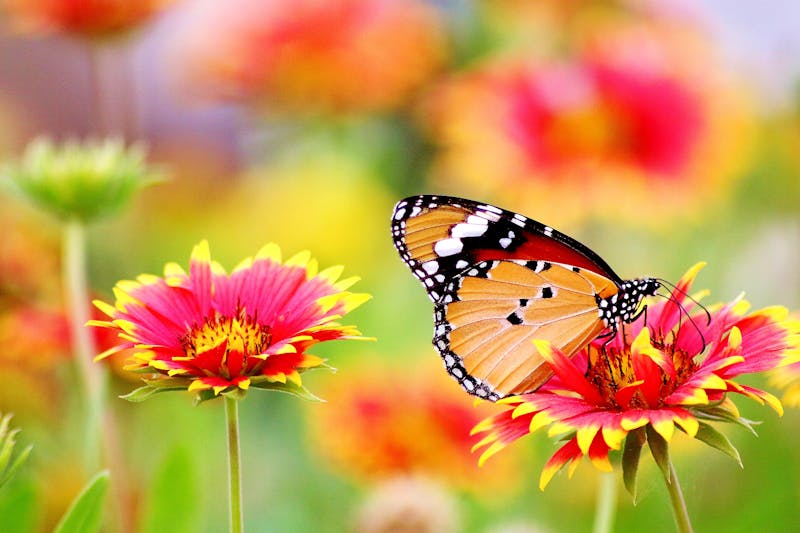
🦋 Butterflies

Butterflies prefer flowers with:

  • Flat landing surfaces
  • Bright colors (especially red, orange, yellow, pink)
  • Day-blooming flowers
  • Abundant nectar

🐦 Birds

Hummingbirds and other bird pollinators are attracted to:

  • Red, orange, or bright pink flowers
  • Tubular or funnel-shaped blooms
  • Flowers with no strong scent (birds have poor sense of smell)
  • Abundant nectar

🌬️ Wind & Water

Some plants rely on wind or water for pollination:

  • Wind-pollinated flowers are typically small, inconspicuous, and produce large amounts of lightweight pollen
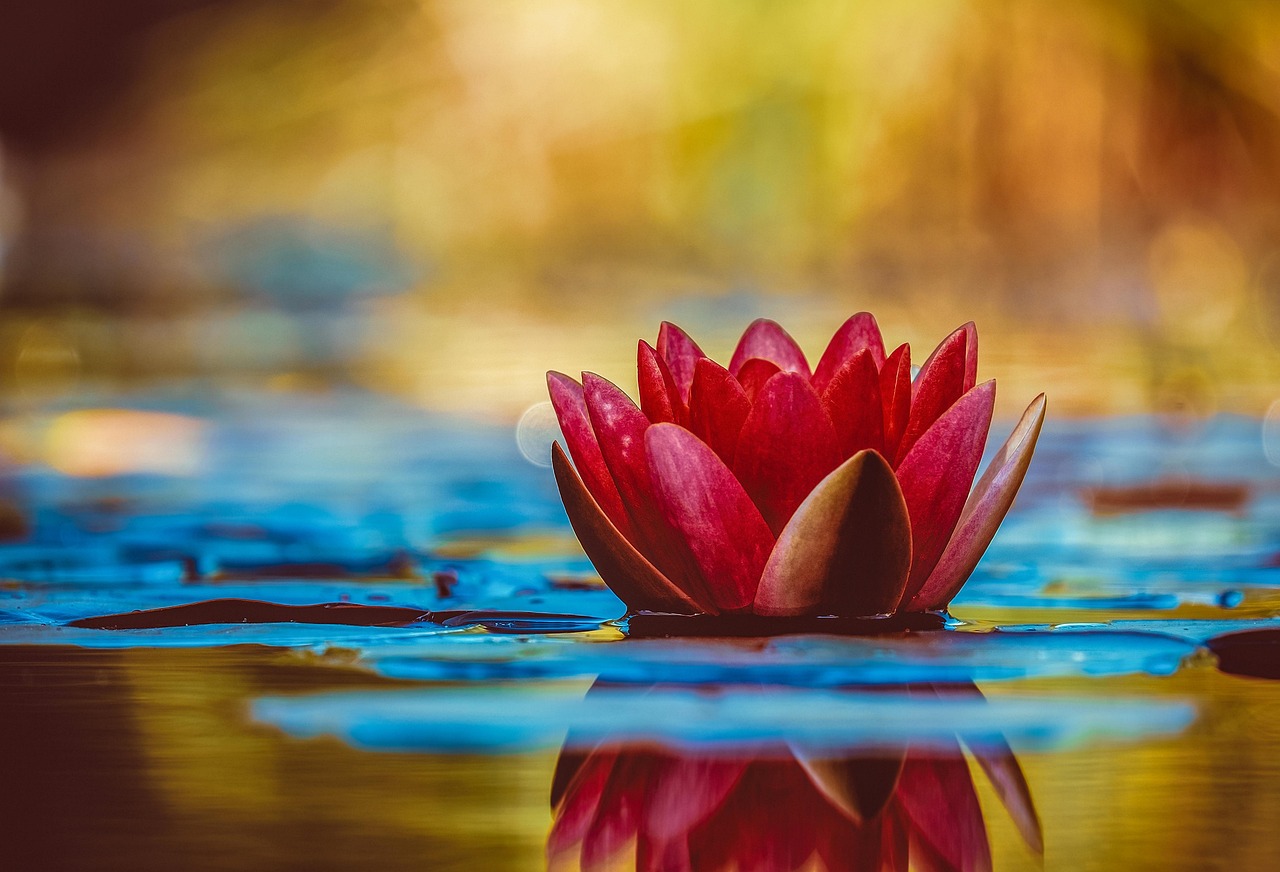
  • Water-pollinated plants are rare and usually aquatic
  • Most pollination (around 80%) is facilitated by animals

Fascinating Pollination Adaptations

Sound Response

Some flowers can "sense" the vibrations and buzzing of bees, responding by increasing nectar volume or sugar content to better attract pollinators.

Temperature Regulation

Flowers like the cup-shaped mountain avens can internally raise their temperature to attract pollinators in cold climates, creating a warm, inviting environment.

Edible & Medicinal Flowers

Many flowers are not only beautiful but also edible and/or medicinal, used in teas, cooking, skincare, and traditional medicine.

🌹 Rose

Rose petals are edible and used in teas, jams, and desserts. Rosehip (the fruit) is rich in vitamin C.

🌻 Sunflower

Sunflower seeds are nutritious snacks, and young flower buds can be cooked like artichokes.

🌺 Nasturtium

Both flowers and leaves are edible with a peppery flavor, great in salads and as garnishes.

🌼 Violet

Violet flowers are edible and can be candied or used fresh in salads and desserts.

🌿 Lavender

Used in teas for relaxation, cooking, and aromatherapy. Known for calming properties that aid sleep and stress relief.

🌼 Chamomile

Chamomile flowers are commonly used in teas to aid digestion and promote relaxation.

⚠️ Important Safety Note

While many flowers are edible, some are highly toxic. For example, lilies are extremely toxic to cats. Always verify a flower's safety before consuming or using medicinally. When in doubt, consult a reliable source or expert.